Rainbow River

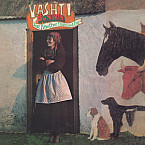
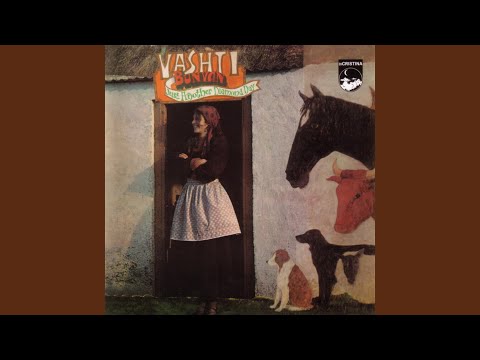
Album: Just Another Diamond Day (1970)
Play Video

Songfacts®:

  • Vashti Bunyan's 1970 debut album is a collection of gentle folk songs she wrote during a journey from London to the Outer Hebrides in the late '60s. Traveling by horse and cart with her boyfriend, the pair often relied on the kindness of strangers for food and shelter. One stop was at a stone-built cottage in Staffordshire once owned by Bunyan's paternal grandparents, where the new owners, a mother and daughter who rescued dogs, welcomed them to stay. The surroundings conjured memories of her childhood visits to the small farm and inspired her to write this tune.

    "I wrote 'Rainbow River' in their field - and sang it to them verse by verse, evening by evening, as the words came to me," she recalled in her autobiography, Wayward: Just Another Life To Live. "The cottage was transformed, the mullioned windows gone, the old black cast-iron cooking range replaced by a modern stone fireplace with brass ornaments across the mantelpiece. Each one was imprinted on my mind as I sang."
  • Bunyan's final destination was meant to be the Isle of Skye in Scotland, where the singer Donovan had property he offering to musicians and artists. When she and her boyfriend finally arrived, it was evident there wasn't any room for them, but she did get the chance to sing this tune for Donovan, who'd become a star thanks to singles like "Sunshine Superman" and "Mellow Yellow."

    She recalled: "I borrowed his guitar and sang 'Rainbow River.' There were flickers of recognition across his face and in his eyes. The way I sang 'disturb the ground' with the emphasis on 'dis' was very much him. The last music I had listened to was his own back at Seagull's Rest - I'd had no record player nor radio since - only me and my guitar - and so his way with words would have been in my head, I'm sure. Nothing was said."
  • The album features string and recorder arrangements by Robert Kirby, who worked with Diamond Day producer Joe Boyd on Nick Drake's Five Leaves Left earlier in 1969. Although Bunyan was quite shy, she wasn't afraid to speak up when it came to her music, but she particularly regrets her criticism of Kirby's work.

    "For all these years I've felt guilty about the way I behaved with Robert Kirby," she admitted. "He'd arranged 'Rainbow River,' but had made some key changes to the third verse that I didn't like. And so the young woman who knows nothing about music - and who usually says not a word to anyone - says, 'I don't like that, can you repeat what you've done in the second verse for the third?' And so that's what he did."
  • Bunyan, who gave up her music career after her debut album failed to catch on, got a second chance when a 2000 reissue revived interest in her music. She released two more albums, and many of her early tunes became big streamers on Spotify, like "Train Song" and "I'd Like To Walk Around In Your Mind."

Comments

Be the first to comment...

Editor's Picks

Who's Johnny, And Why Does He Show Up In So Many Songs

Who's Johnny, And Why Does He Show Up In So Many SongsSong Writing

For songwriters, Johnny represents the American man. He has been angry, cool, magic, a rebel and, of course, marching home.

Zakk Wylde

Zakk WyldeSongwriter Interviews

When he was playing Ozzfest with Black Label Society, a kid told Zakk he was the best Ozzy guitarist - Zakk had to correct him.

Art Alexakis of Everclear

Art Alexakis of EverclearSongwriter Interviews

The lead singer of Everclear, Art is also their primary songwriter.

John Lee Hooker

John Lee HookerSongwriter Interviews

Into the vaults for Bruce Pollock's 1984 conversation with the esteemed bluesman. Hooker talks about transforming a Tony Bennett classic and why you don't have to be sad and lonely to write the blues.

Tim McIlrath of Rise Against

Tim McIlrath of Rise AgainstSongwriter Interviews

Rise Against frontman Tim McIlrath explains the meanings behind some of their biggest songs and names the sci-fi books that have influenced him.

80s Video Director Jay Dubin

80s Video Director Jay DubinSong Writing

Billy Joel and Hall & Oates hated making videos, so they chose a director with similar contempt for the medium. That was Jay Dubin, and he has a lot to say on the subject.