
Jimmy Webb was inspired to write The 5th Dimension song "Up-Up and Away" after seeing a hot-air balloon his friend flew on promotions for the Southern California radio station KMEN.
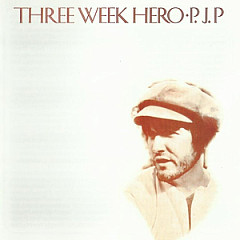
The first time Jimmy Page, Robert Plant, John Bonham and John Paul Jones all recorded together in the studio was when they backed American singer PJ Proby on his 1969 album Three Week Hero.
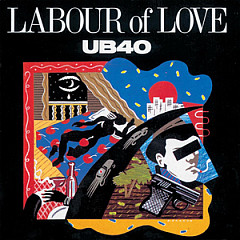
UB40's cover of Neil Diamond's "Red Red Wine" was a minor hit when first released in 1983, but it went to #1 five years later when radio stations in Phoenix started playing it.
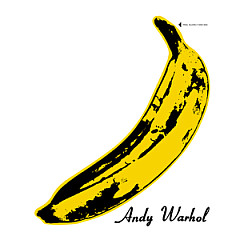
When the Velvet Underground song "Heroin" got screechy, Maureen Tucker stopped drumming, figuring it would bust the take, but her bandmates kept going. You can hear it at the 5:20 mark.
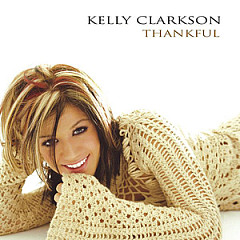
Kelly Clarkson's coronation song when she won American Idol in 2002 was "A Moment Like This," which was released as her first single and went to #1. Every finalist that season recorded the song in case they won.
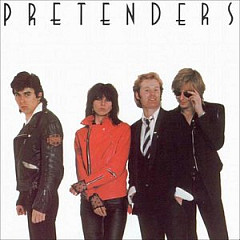
"Stop Your Sobbing" was first recorded by The Kinks in 1964. It became the Pretenders first single 15 years later, leading to a relationship between Ray Davies and Chrissie Hynde.
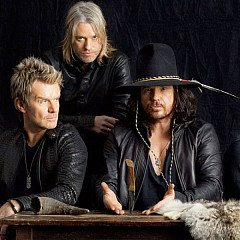
The Cult frontman tells who the "Fire Woman" is, and talks about performing with the new version of The Doors.
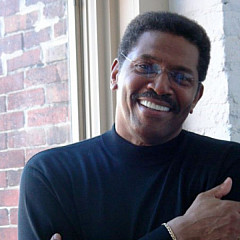
Phil was a songwriter, producer and voice behind many Philadelphia soul classics. When disco hit, he got an interesting project: The Village People.
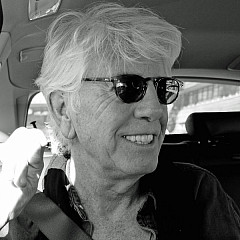
Graham Nash tells the stories behind some of his famous songs and photos, and is asked about "yacht rock" for the first time.
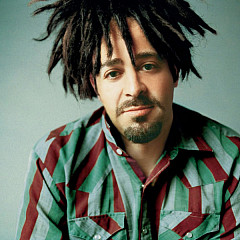
"Mr. Jones" took on new meaning when the song about a misguided view of fame made Adam famous.

The Christian rapper talks about where his trip to Haiti and his history of addiction fit into his songs.
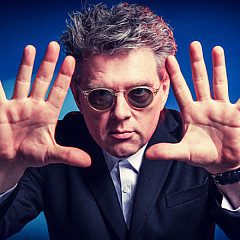
Tom stopped performing Thompson Twins songs in 1987, in part because of their personal nature: "Hold Me Now" came after an argument with his bandmate/girlfriend Alannah Currie.