 Jack Ruby (1911-67), the assassin of the assassin. The man and his motives have been the subject of much lurid and at times sensational and ill-founded speculation, but like the man he killed, Lee Harvey Oswald, he was a loner, and while Oswald's crime was planned, Ruby's was impulsive.
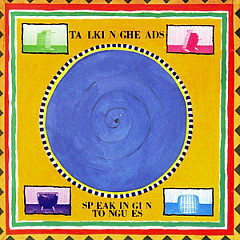
"This Must Be The Place" is a rare love song by the Talking Heads, with a very personal lyric from David Byrne likely inspired by the woman who became his first wife.
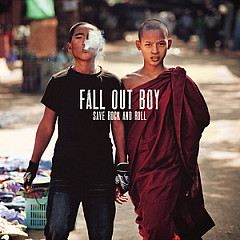
Fall Out Boy's "The Phoenix" samples the classical work "Allegro Non Troppo," which was composed by Dmitri Shostakovich in 1941. Vocalist Patrick Stump was inspired by "the creepiness" of the strings.
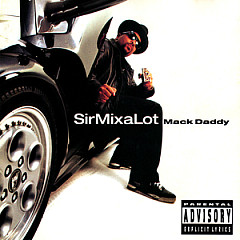
Sir Mix-A-Lot says he's earned over $100 million from "Baby Got Back." He wrote the song and owns the publishing rights, so he can authorize its use in movies, TV shows and commercials, which he often does.

"Today" by Smashing Pumpkins is sarcastic in the line "today is the greatest day." Lead singer Billy Corgan wrote it about the crippling depression he was battling following the band's first big tour.
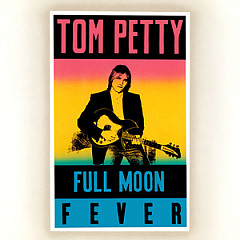
"I Won't Back Down" is a very personal song for Tom Petty, written after an arsonist burned his house down. "I thought it wasn't that good because it was so naked," he said of the song.
The songwriting team Leiber and Stoller wrote "Hound Dog" for a blues singer named Big Mama Thronton, who first recorded the song in 1953. Elvis covered it in 1956, and it became his biggest hit.

With a few clues (Works at a diner, dreams of running away), can you name the character in the song?
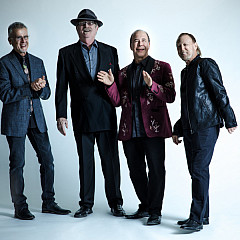
Emilio talks about what it's like to write and perform with the Tower of Power horns, and why every struggling band should have a friend like Huey Lewis.
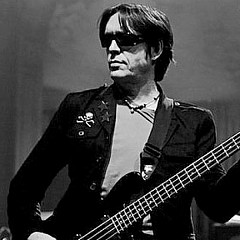
Tim and his brother Richard are the Furs' foundation; Tim explains how they write and tells the story of "Pretty In Pink."

Kristian talks songwriting technique, like how the chorus should redefine the story, and how to write a song backwards.
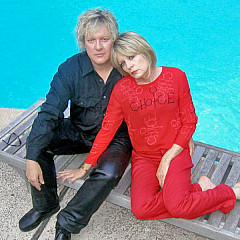
Chris and his wife Tina were the rhythm section for Talking Heads when they formed The Tom Tom Club. "Genius of Love" was their blockbuster, but David Byrne only mentioned it once.