
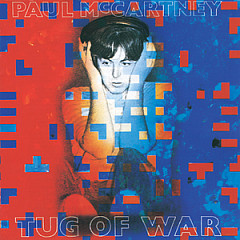
Paul McCartney wrote "Ebony and Ivory," his duet with Stevie Wonder, after a tiff with his wife Linda. "It was like, 'Why can't we get it together- our piano can,'" he explained.
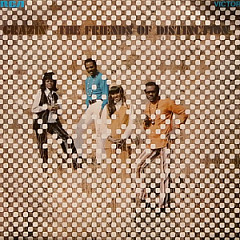
Grazing In The Grass by The Friends Of Distinction was the first big hit to use the phrase "dig it" in the lyric. Their version of the song (the original is an instrumental by Hugh Masekela) was released in 1969.
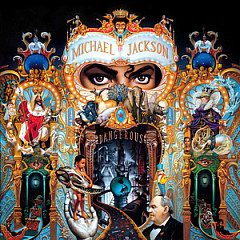
Weird Al Yankovic proposed a parody of "Black Or White" called "Snack All Night," but Michael Jackson asked him not to.

Michael McDonald's "I Keep Forgettin'" is based on a '60s song with the same title written by Jerry Leiber and Mike Stoller.
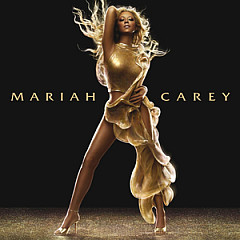
"We Belong Together" finds Mariah Carey listening to the radio and hearing songs that remind her of heartbreak. Two real songs get specific mentions: "If You Think You're Lonely Now" by Bobby Womack and "Two Occasions" by The Deele (Babyface's group).
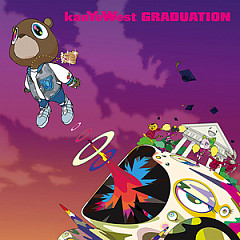
A 2011 Gold's Gym poll found "Stronger" by Kanye West the best song to work out to. Second place was the Rocky theme.

A Soul Train dancer takes us through a day on the show, and explains what you had to do to get camera time.
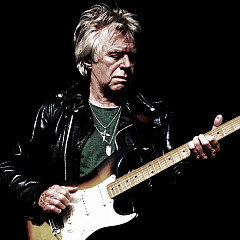
A renowned guitarist and rock revivalist, Dave took "I Hear You Knocking" to the top of the UK charts and was the first to record Elvis Costello's "Girls Talk."
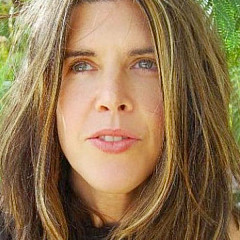
Despite appearances on Carson, Leno and a Pennebaker film, Williams remains a hidden treasure.
Starting in Virginia City, Nevada and rippling out to the Haight-Ashbury, LSD reshaped popular music.
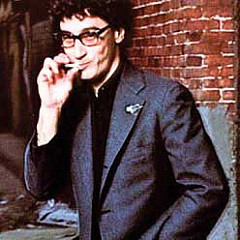
Before "Rap" was a form of music, it was something guys did to pick up girls in nightclubs. Donnie talks about "The Rapper" and reveals the identity of Leah.
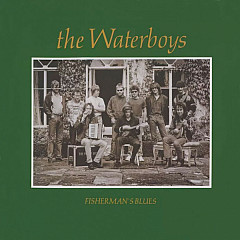
Armed with a childhood spent devouring books, Mike Scott's heart was stolen by the punk rock scene of 1977. Not surprisingly, he would go on to become the most literate of rockers.