


The seemingly inoffensive song "Deep In The Heart Of Texas" was banned by the BBC when it was released in 1942. They deemed the song too catchy, with authorities in wartime Britain concerned that factory workers would be distracted if they heard it during a shift.
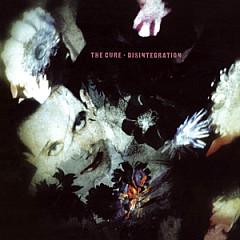
The Cure lead singer Robert Smith wrote "Lovesong" as a wedding present for his fiancée, Mary, shortly before their marriage. They met when he was 14; he says Mary helped him through many difficult periods and essentially saved his life.
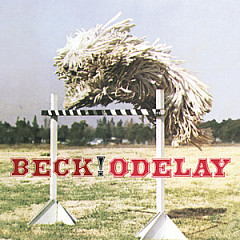
Beck's "Where It's At" is a nod to the early years of hip-hop when DJs would use two turntables to loop drum breaks, and a microphone to hype the crowd ("two turntables and a microphone...").
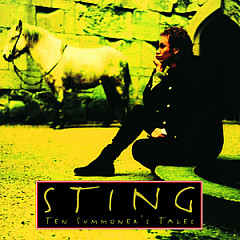
Sting wrote "Fields of Gold" after buying a house near a barley field and enjoying the majestic sunsets.

The R.E.M. song "Don't Go Back To Rockville" is about Mike Mills' girlfriend at the University of Georgia, who had to go back to Rockville, Maryland, for the summer.
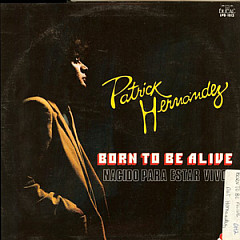
In 1979, Madonna was a dancer on Patrick Hernandez' tour, where she boogied to his hit "Born To Be Alive."
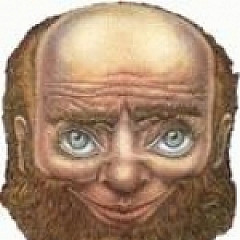
An interview with Ray and Derek Shulman of the progressive rock band Gentle Giant to discuss counterpoint, polyrhythms, and... Bon Jovi.
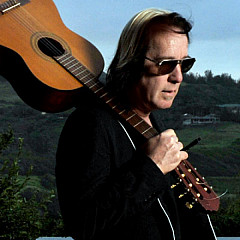
Todd Rundgren explains why he avoids "Hello It's Me," and what it was like producing Meat Loaf's Bat Out of Hell album.
How well do you know your protest songs (including the one that went to #1)?

Iron Maiden, Adele, Toto, Eminem and Earth, Wind & Fire are just some of the artists with songs directly inspired by movies - and not always good ones.
The trail runs from flying saucer songs in the '50s, through Bowie, blink-182 and Katy Perry.
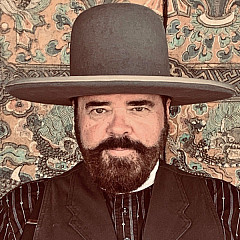
Andrew Farriss on writing with Michael Hutchence, the stories behind "Mystify" and other INXS hits, and his country-flavored debut solo album.