
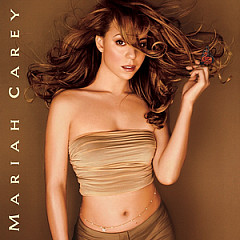
Mariah Carey's "My All" is about her affair with New York Yankees shortstop Derek Jeter.
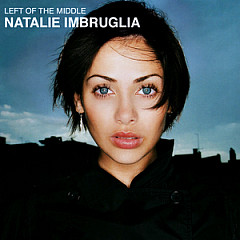
"Torn" by Natalie Imbruglia was first recorded by the group Ednaswap in 1993. It was written by Ednaswap's Anne Previn and Scott Cutler, who went on to write some hits for Miley Cyrus.
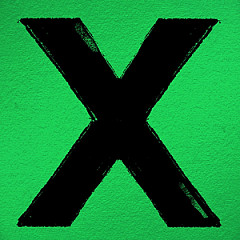
Ed Sheeran's "Bloodstream" was written after an experience taking MDMA during a wedding celebration in Ibiza; it's basically about all the feelings that he got from that time.
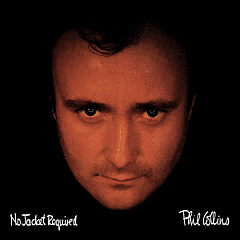
Phil Collins' "Take Me Home" is about a patient in a mental institution and was inspired by the novel One Flew Over the Cuckoo's Nest.
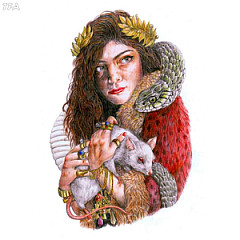
Lorde was 16 years and 11 months old when "Royals" topped the Hot 100. In doing so she became the youngest ever solo artist to write and perform a #1 hit.
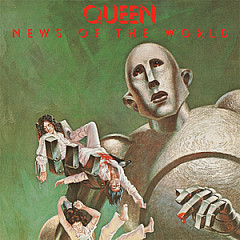
There are no actual drums on Queen's "We Will Rock You," just lots of foot stomping.
The trail runs from flying saucer songs in the '50s, through Bowie, blink-182 and Katy Perry.
Do you know the girl singer on Eminem's "Stan"? If so, this quiz is for you.
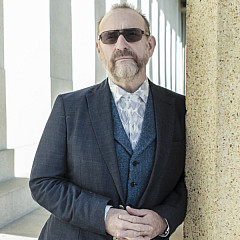
Established as a redoubtable singer-songwriter, the Men At Work frontman explains how religion, sobriety and Jack Nicholson play into his songwriting.
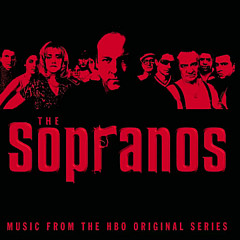
Was a Beatles song a TV theme? And who came up with those Fresh Prince and Sopranos songs?
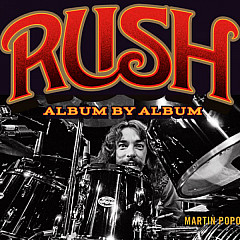
A talk with Martin Popoff about his latest book on Rush and how he assessed the thousands of albums he reviewed.
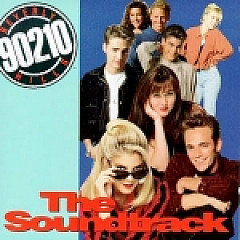
Shows like Dawson's Creek, Grey's Anatomy and Buffy the Vampire Slayer changed the way songs were heard on TV, and produced some hits in the process.