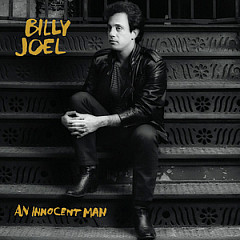
Billy Joel's "Uptown Girl" is about Christie Brinkley, who he married, but it started as a song about Elle McPherson, who he also went out with.
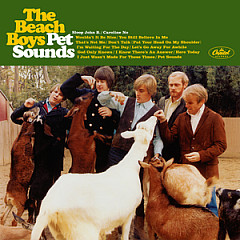
The most famous song to prominently feature a French horn is "God Only Knows" by The Beach Boys.
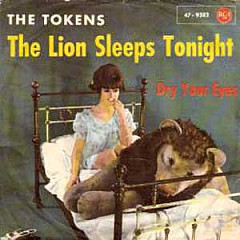
"The Lion Sleeps Tonight" is an English version of a Zulu hunting song from the 1930s.

Jon Bon Jovi earned his first movie credit - Young Guns II - by writing "Blaze Of Glory" for the film.
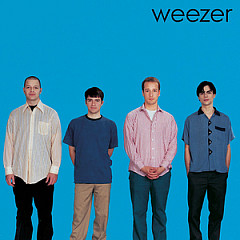
Weezer's "Undone - The Sweater Song" was written as a sad song about depression, but listeners heard it as a funny, ironic song.
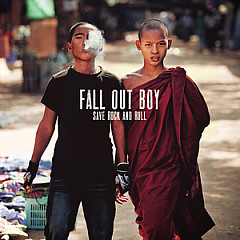
Fall Out Boy's "The Phoenix" samples the classical work "Allegro Non Troppo," which was composed by Dmitri Shostakovich in 1941. Vocalist Patrick Stump was inspired by "the creepiness" of the strings.
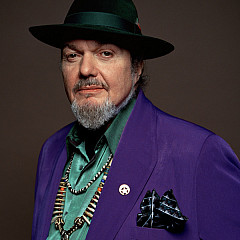
The good doctor shares some candid insights on recording with Phil Spector and The Black Keys.
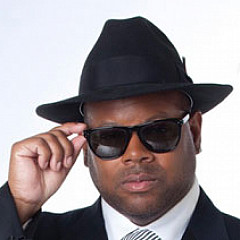
The powerhouse producer behind Janet Jackson's hits talks about his Boyz II Men ballads and regrouping The Time.
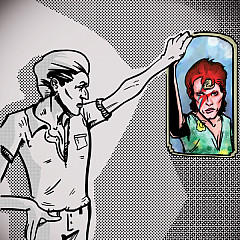
Long before Eminem, Justin Bieber and Nicki Minaj created alternate personas, David Bowie, Bono, Joni Mitchell and even Hank Williams took on characters.
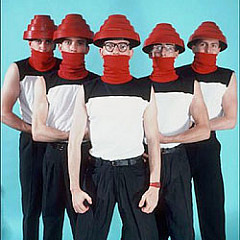
Devo founders Mark Mothersbaugh and Jerry Casale take us into their world of subversive performance art. They may be right about the De-Evoloution thing.
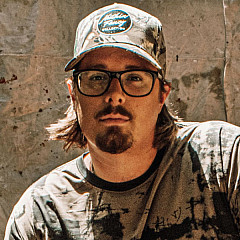
The country hitmaker talks about his debut album, A Rock, and how a nursery rhyme inspired his hit single "One Beer."