Riptides

Album: I Built You a Tower (2026)
Play Video

Songfacts®:

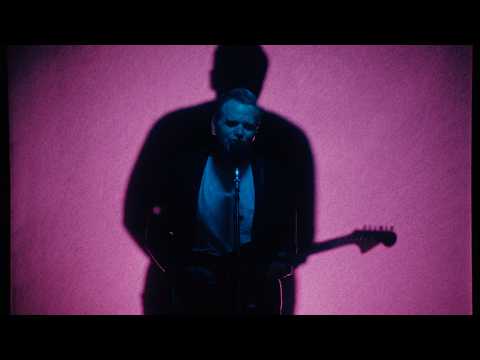
  • "Riptides" operates on two simultaneous levels: the deeply personal and the overwhelmingly global. At its personal core, it's about the emotional fallout from Ben Gibbard's marriage to Rachel Demy collapsing during Death Cab's highly successful joint tour with his side project The Postal Service, a grueling run where he was playing double duty with both bands simultaneously. The broader world's upheaval bleeds into that private pain.

    "'Riptides' is about the challenge of dealing with personal struggles as the world around us experiences tragedy and loss on an unfathomable scale," Gibbard shared. "And how when these two elements intertwine themselves in our psyches, it feels utterly paralyzing."
  • The title metaphor is embedded in the song's key lyric:

    There's too many riptides in this ocean to proceed

    A riptide is a strong, disorienting current that pulls swimmers away from shore. Here it represents the competing forces dragging at Gibbard: heartbreak, anxiety, and a general sense that everything everywhere is going a bit wrong at once. Psychologically, it captures a kind of paralysis. Too many pressures, not enough traction.
  • Other songs have used the same imagery, though with very different results:

    2013 "Riptide" by Vance Joy.
    Vance Joy's hit treats the current as a romantic, slightly whimsical coming-of-age metaphor, where being swept away is half the point.

    2022 "Riptide" by Beartooth.
    Beartooth's 2022 song uses the riptide as a symbol of depression but frames it as something to fight against and survive.

    2018 "Sunshine Riptide" by Fall Out Boy (feat. Burna Boy).
    "Sunshine Riptide" shows how contradiction, warmth and danger can coexist in a relationship.

    By contrast, Death Cab's "Riptides" is the least interested in escape. There's no defiance or romance here, just the weary recognition of someone who's already been pulled too far out to sea to argue about it.
  • "Riptides" is the lead single from Death Cab for Cutie's 11th album, I Built You a Tower. It was produced by veteran producer John Congleton, who recorded the album over three weeks at his Los Angeles studio Animal Rites, with some parts tracked remotely at band members' homes in Seattle, Bellingham, Los Angeles, and Portland.
  • I Built You a Tower was partly inspired by the 20th anniversaries of both Death Cab's Transatlanticism and the Postal Service's Give Up, prompting Gibbard to reflect on personal loss and find a mental space to process grief.

    Bassist Nick Harmer noted that recording the album reconnected the band with their roots: "We rekindled the confidence that arises from that."

    "Riptides" serves as the album's opening statement, establishing the grief-drenched emotional terrain that runs through the record and showing Gibbard at his most exhausted and self-aware.

Comments

Be the first to comment...

Editor's Picks

90s Music Quiz 1

90s Music Quiz 1Music Quiz

First question: Michael Jordan and Magic Johnson appeared in videos for what artist?

Al Jourgensen of Ministry

Al Jourgensen of MinistrySongwriter Interviews

In the name of song explanation, Al talks about scoring heroin for William Burroughs, and that's not even the most shocking story in this one.

Neal Smith - "I'm Eighteen"

Neal Smith - "I'm Eighteen"They're Playing My Song

With the band in danger of being dropped from their label, Alice Cooper drummer Neal Smith co-wrote the song that started their trek from horror show curiosity to the Rock and Roll Hall of Fame.

Don Brewer of Grand Funk

Don Brewer of Grand FunkSongwriter Interviews

The drummer and one of the primary songwriters in Grand Funk talks rock stardom and Todd Rundgren.

La La Brooks of The Crystals

La La Brooks of The CrystalsSong Writing

The lead singer on "Da Doo Ron Ron" and "Then He Kissed Me," La La explains how and why Phil Spector replaced The Crystals with Darlene Love on "He's A Rebel."

"Private Eyes" - The Story Behind the Song

"Private Eyes" - The Story Behind the SongSong Writing

How a goofy detective movie, a disenchanted director and an unlikely songwriter led to one of the biggest hits in pop history.