Mad About The Boy

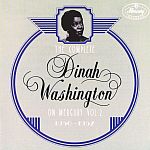
Album: The Complete Dinah Washington (1952)
Charted: 41
Play Video

Songfacts®:

  • This Noël Coward composition, an ode to an unnamed film star, has become a standard. It was a personal favorite of Coward himself, and is one of his most well known and most performed numbers, very cleverly and unusually constructed melodically.

    "Mad About The Boy" first appeared in the 1932 revue Words And Music, and was recorded twice by Bea Lillie. A recording by Peter Greenwell as "a pin-stripe-suited businessman" for Set To Music was suppressed as "too daring" at the time. This version included an extra refrain.

    Although Coward denied ever recording the song himself, 20 years after his death, Alan Farley of the Noël Coward Society found what appeared to be an original disk in the possession of Joan Hirst, who had been Coward's secretary from 1949. After transferring it to cassette she and Farley agreed that it was indeed Coward singing on the record. Later, another copy came to light; a reliable source listed it as recorded in London on September 20, 1932. The record was in fact a test pressing for His Master's Voice which had been rejected for release.
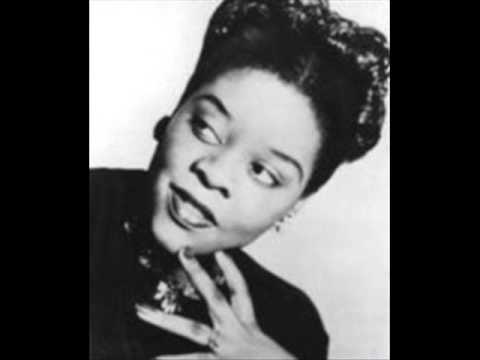
  • "Mad About The Boy" has been covered by many artists – most of them women for obvious reasons - but the definitive recording is probably that made by Dinah Washington. There remains some speculation about the identity of the boy in question; one answer is that it was anyone you wanted it to be, a composite character of the leading men of the day, perhaps. There is though another possibility.

    The lyrics refer to the boy having "a gay appeal"; although the word gay did not become synonymous with homosexual for another three decades and more, according to the Encyclopedia Of Homosexuality, the phrase "gay cat" meaning "a homosexual boy" first appeared in print in 1933; and had obviously been in use some time before that. Noël Coward was homosexual, and had a wicked sense of humor, so it is quite likely that the song's title was an in-joke.

    Homosexuality between consenting adults was illegal in Britain up until the Wolfenden reforms of the mid 1960s, but even then Coward did not "come out." >>>
    Suggestion credit:
    Alexander Baron - London, England, for above 2
  • Quincy Jones, who went on to produce albums for Michael Jackson, George Benson and The Brothers Johnson, worked on this song.
  • In 1992, this was used in a famous Levi's jeans advertisement where a young man on a hot hot summers day struggles through several gardens to jump into a pool wearing no shirt, but of course his jeans. >>>
    Suggestion credit:
    Pia - Copenhagen, Denmark

Comments: 1

  • Jennifer from Belfast, IrelandThe theme of the song could be because Noel Coward was gay and he was mad about the boys but very ashamed of it.
see more comments

Editor's Picks

Narada Michael Walden - "Freeway of Love"

Narada Michael Walden - "Freeway of Love"They're Playing My Song

As a songwriter and producer, Narada had hits with Aretha Franklin, Whitney Houston, Mariah Carey and Starship. But what song does he feel had the greatest impact on his career?

Peter Lord

Peter LordSongwriter Interviews

You may not recognize his name, but you will certainly recognize Peter Lord's songs. He wrote the bevy of hits from Paula Abdul's second album, Spellbound.

Michael W. Smith

Michael W. SmithSongwriter Interviews

Smith breaks down some of his worship tracks as well as his mainstream hits, including "I Will Be Here For You" and "A Place In This World."

Susanna Hoffs - "Eternal Flame"

Susanna Hoffs - "Eternal Flame"They're Playing My Song

The Prince-penned "Manic Monday" was the first song The Bangles heard coming from a car radio, but "Eternal Flame" is closest to Susanna's heart, perhaps because she sang it in "various states of undress."

Janis Ian

Janis IanSongwriter Interviews

One of the first successful female singer-songwriters, Janis had her first hit in 1967 at age 15.

Al Jourgensen of Ministry

Al Jourgensen of MinistrySongwriter Interviews

In the name of song explanation, Al talks about scoring heroin for William Burroughs, and that's not even the most shocking story in this one.