
Back To The Future wasn't the only movie where Michael J. Fox rocked out: He sang with Joan Jett in the 1987 movie Light Of Day, with a title track written by Bruce Springsteen.
The Strokes admitted to purloining Tom Petty & the Heartbreakers' "American Girl" for their 2001 hit "Last Nite." "Yeah, we ripped it off," lead singer Julian Casablancas said.
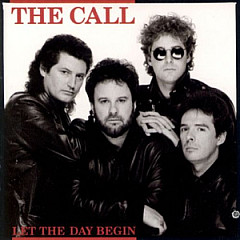
Al Gore chose an inspiring but obscure campaign song when he ran for president in 2000: "Let The Day Begin" by The Call.

Shaboozey's "A Bar Song (Tipsy)" is a country reworking of J-Kwon's hip-hop hit "Tipsy," with the setting changed from a club to a dive bar.
Radiohead's "Harry Patch (In Memory Of)" is about the last surviving World War I veteran to fight in the trenches.

Neil Young's song "Old Man" was inspired by the caretaker of the ranch he bought in 1970. Neil was the young man at the time, just 25.
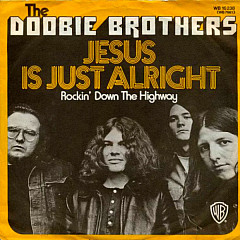
These overtly religious songs crossed over to the pop charts, despite resistance from fans, and in many cases, churches.

An interview with Ray and Derek Shulman of the progressive rock band Gentle Giant to discuss counterpoint, polyrhythms, and... Bon Jovi.
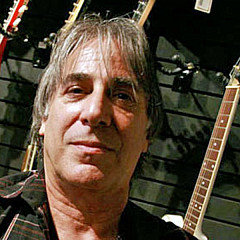
Danny played guitar on Sweet Baby James, Tapestry, and Running On Empty. He also co-wrote many hit songs, including "Dirty Laundry," "Sunset Grill" and "Tender Is The Night."
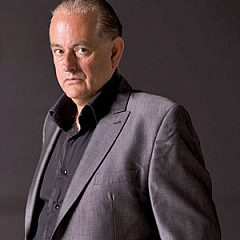
Martyn talks about producing Tina Turner, some Heaven 17 hits, and his work with the British Electric Foundation.
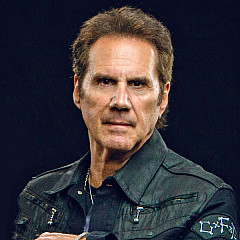
Kelly Keagy of Night Ranger tells the "Sister Christian" story and explains why he started sweating when he saw it in Boogie Nights.
Even before Soundgarden wrote a song about him, Artis was the most famous spoon player of all time. So why has he always been broke?