

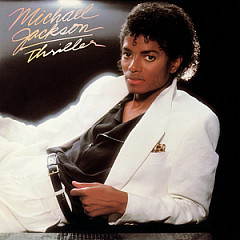
John Landis directed Michael Jackson's "Thriller" video and faced the challenge of making Jackson look scary. Landis was the man for the job: he directed the 1981 movie An American Werewolf In London, which also features lycanthropy.
The phrase "Hasta la vista, baby" was popularized in the 1987 Jody Watley song "Looking For A New Love," four years before Arnold Schwarzenegger said it in the movie Terminator 2: Judgment Day.
The Kate Bush song "Why Should I Love You?" is a collaboration with Prince. He completely re-worked her demo, so Bush spent a lot of time piecing it back together to keep her imprint.
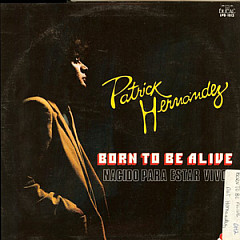
In 1979, Madonna was a dancer on Patrick Hernandez' tour, where she boogied to his hit "Born To Be Alive."
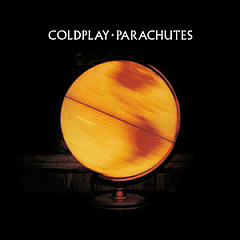
"Yellow" by Coldplay is a deep, meaningful song, but the title has a rather prosaic origin: it came from the phone directory, known as "the yellow pages."
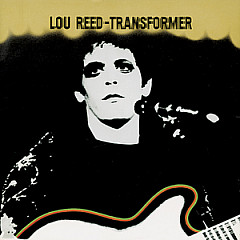
Lou Reed's "Walk On The Wild Side" tells the story of real people who were part of Andy Warhol's "factory," including Holly Woodlawn and Candy Darling.
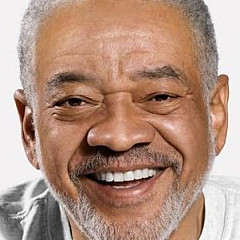
Soul music legend Bill Withers on how life experience and the company you keep leads to classic songs like "Lean On Me."

P.F. was a teenager writing hits and playing on tracks for Jan & Dean when he wrote a #1 hit that got him blackballed.

Lyrics don't always follow the rules of grammar. Can you spot the ones that don't?
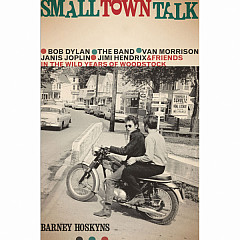
Our chat with Barney Hoskyns, who covers the wild years of Woodstock - the town, not the festival - in his book Small Town Talk.

One of the most popular classical vocalists in the land is lining up a trip to space, which is the inspiration for many of her songs.
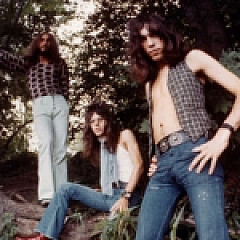
Richie talks about producing the first two Kiss albums, recording "Brother Louie," and the newfound appreciation of his rock band, Dust.