Heroes

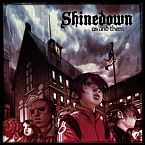
Album: Us And Them (2005)
Play Video

Songfacts®:

  • Shinedown haven't said much about this song, but the "heroes" are probably the American Founding Fathers, who had noble intentions for the country and its future. But now these heroes are "dead and gone," replaced by venal politicians.

    Shinedown were always careful to express their political beliefs opaquely through their songs, which kept them above that fray.
  • The song is part of Shinedown's second album, Us And Them, released in 2005. It was written by lead singer Brent Smith and guitarist Jasin Todd along with an outside writer, Tony Battaglia, who made a lot of contributions to Shinedown songs around this time. Todd ended up leaving the band before their next album was released. That album, The Sound Of Madness in 2008, contains the Shinedown classic "Second Chance."

Comments: 6

  • Sgc from Chattanooga, Tennessee I agree with it being about dead rock stars, particularly grunge because they are post grunge/hard rock and it sounds a lot like Soundgarden’s Spoonman to me however this was 2005 and several of them were dead. Kurt Cobain, Layne Staley most notably. However I may be bias because they are my heroes and 91-96 was the peak in mainstream rock imo. Nirvana to Local H.
  • Angie from Eugene, OregonI feel that maybe this song is about 9/11.

    "Stare in wonder, Who's here to bring you down?" this is referring to everyone watching the news or staring up at the towers.

    "Find your martyr I'm sure you've made the crown"
    Referring to “martyrdom.” Catholic Church Believes Those who suffered violence at the hands of this world, who bled and died because of their commitment to their faith along side all those who die for their kingdom wears a “martyrs crown.”

    "Sold their sorrow to the ones who paid the most" Could me the solider that let their saddness go inorder to fight for the Ones that paid the most "the lives distroyed that day"

    "Dark devotion in a beacon Paradise
    Shows no emotion to a willing sacrifice
    You can put a man on trial, but you can't make the guilty pay" I think this refers to Bin Laden and his Faithful followers "Suicide Bombers"
  • Kellin from Right Here Where I Am, AlHm. I always thought this song was about rock legends that are "dead and gone," though the "dead" is more figurative than literal. The line "sold their sorrow to the ones who paid the most" makes me think of tabloids.
  • [p3yt0n} from Somewhere, InI think the song means that the people he looked up to fell apart, had a breakdown, not necessarily died. And now he has no one to look up to.
  • Joe from Lincoln, NeAfter listening to the lyrics intensely, I have decided that the song is about dead soldiers, specifically those who died fighting for their country. A true hero.
  • Jeff from Casa Grande, AzIt sounds like his "heroes" have "let him down," or more poetively spoken . . . a "shine down."
see more comments

Editor's Picks

Edwin McCain

Edwin McCainSongwriter Interviews

"I'll Be" was what Edwin called his "Hail Mary" song. He says it proves "intention of the songwriter is 180 degrees from potential interpretation by an audience."

John Kay of Steppenwolf

John Kay of SteppenwolfSongwriter Interviews

Steppenwolf frontman John Kay talks about "Magic Carpet Ride," "Born To Be Wild," and what he values more than awards and accolades.

Al Jourgensen of Ministry

Al Jourgensen of MinistrySongwriter Interviews

In the name of song explanation, Al talks about scoring heroin for William Burroughs, and that's not even the most shocking story in this one.

Dennis DeYoung

Dennis DeYoungSongwriter Interviews

Dennis DeYoung explains why "Mr. Roboto" is the defining Styx song, and what the "gathering of angels" represents in "Come Sail Away."

James Williamson of Iggy & the Stooges

James Williamson of Iggy & the StoogesSongwriter Interviews

The Stooges guitarist (and producer of the Kill City album) talks about those early recordings and what really happened with David Bowie.

Women Who Rock

Women Who RockSong Writing

Evelyn McDonnell, editor of the book Women Who Rock, on why the Supremes are just as important as Bob Dylan.