
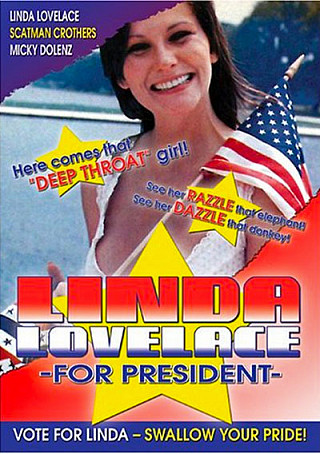
 Linda Lovelace (1949-2002), seen here in the poster for her movie Linda Lovelace for President, inspired the John Lees song "Polk Street Rag". Linda Susan Boreman grew up in a strict Catholic household, the daughter of a New York police officer. After "starring" in Deep Throat and other porn films she was busted for possession before finding the God she had lost. She spent the rest of her life campaigning against the porn industry.
"At This Moment" was first released by Billy Vera & the Beaters in 1981, and hit #79. After it was used in two episodes of Family Ties in 1985-1986, it went to #1.
There aren't many songs with a scientist as the main character, but Coldplay's "The Scientist" is one of their biggest hits. The guy in the song is brilliant, but despondent because he's lost his girl after neglecting her for his work.

When Rihanna's "Umbrella" was a hit in the summer of 2007, it rained constantly in London, prompting their newspaper The Sun to suggest a "Rihanna Curse."
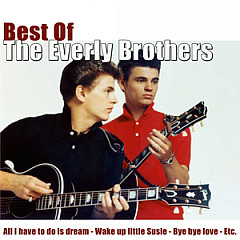
The first single to simultaneously top the UK and US charts was The Everly Brothers' "Cathy's Clown" in May 1960.

The only cover of "American Pie" to chart is by Madonna, whose 2000 version was a minor hit in America but went to #1 in the UK.
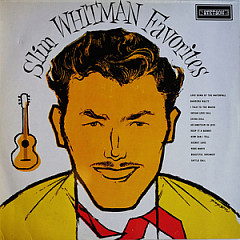
Country star Slim Whitman's version of the 1920s song "Rose Marie" spent 11 consecutive weeks at #1 in the UK in 1955, a record until 1991 when Bryan Adams’ "(Everything I Do) I Do It For You" spent 16 weeks at the top.
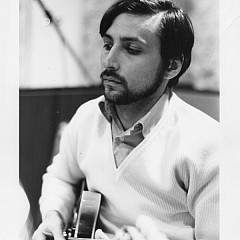
A top New York studio musician, Ralph played guitar on many '60s hits, including "Lightnin' Strikes," "A Lover's Concerto" and "I Am A Rock."

Lita talks about how they wrote songs in The Runaways, and how she feels about her biggest hit being written by somebody else.
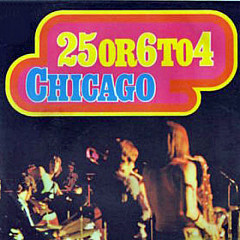
These Three famous songs actually describe how they were written - late into the evening.

When he joined Guns N' Roses in 1990, Matt helped them craft an orchestral sound; his mezzo fortes and pianissimos are all over "November Rain."
Prince is shrouded in mystery, making him an excellent candidate for Fact or Fiction. Is he really a Scientologist? Does he own an exotic animal?
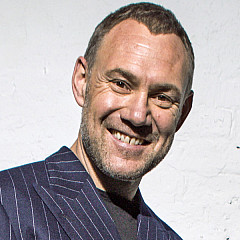
David Gray explains the significance of the word "Babylon," and talks about how songs are a form of active imagination, with lyrics that reveal what's inside us.