
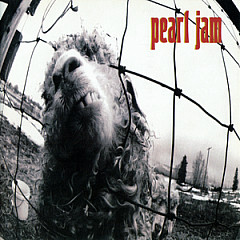
When Pearl Jam plays "Daughter" live, they usually extend the ending so Eddie Vedder can improvise, saying or singing whatever is on his mind.
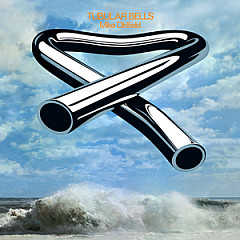
The Exorcist theme music is a portion of "Tubular Bells," a 25-minute song released by 19-year-old Mike Oldfield.
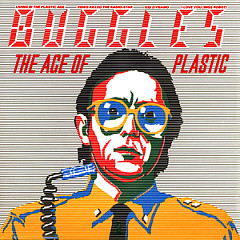
"Video Killed The Radio Star" by Buggles was the first video to air on MTV when the network started broadcasting on August 1, 1981.

The TV show One Tree Hill got it's name from a song of the same name on U2's Joshua Tree album.
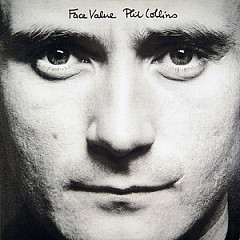
Phil Collins' "I Missed Again" was originally "I Miss You, Babe," and was a very somber song about his recent divorce. Collins decided to lighten it up and inject some humor into the song.
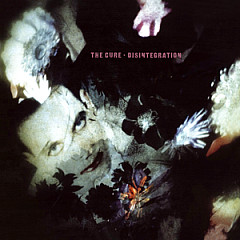
The Cure's "Lullaby" is based on a recurring nightmare frontman Robert Smith had as a child where he was eaten by a giant spider.

Their frontman (Chris Cornell) started out as their drummer, so Soundgarden takes a linear approach when it comes to songwriting. Kim explains how they do it.

"I'll Be" was what Edwin called his "Hail Mary" song. He says it proves "intention of the songwriter is 180 degrees from potential interpretation by an audience."
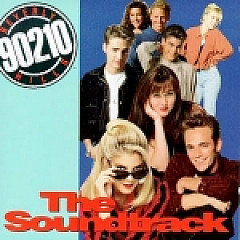
Shows like Dawson's Creek, Grey's Anatomy and Buffy the Vampire Slayer changed the way songs were heard on TV, and produced some hits in the process.
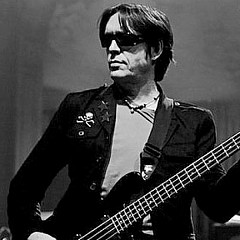
Tim and his brother Richard are the Furs' foundation; Tim explains how they write and tells the story of "Pretty In Pink."
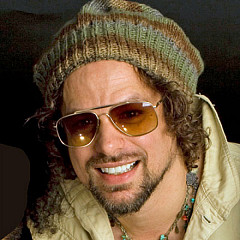
Michael tells the story of "Send Me On My Way," and explains why some of the words in the song don't have a literal meaning.
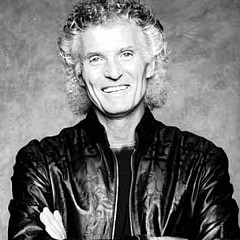
The drummer and one of the primary songwriters in Grand Funk talks rock stardom and Todd Rundgren.