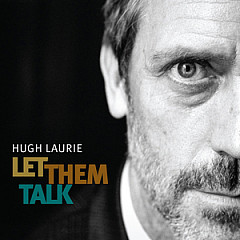
Hugh Laurie, star of the TV show House, had a minor hit in 2011 with "Police Dog Blues," an old Blues song from 1929.
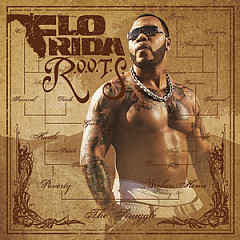
An unknown Kesha (known then as Ke$ha) sang on Flo-Rida's #1 hit "Right Round," but refused to appear in the video because she wanted to make a name for herself.
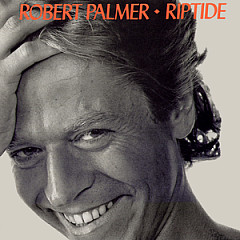
The models in Robert Palmer's iconic "Addicted To Love" video were chosen in part because they couldn't play music, so they're all playing and moving to different rhythms.
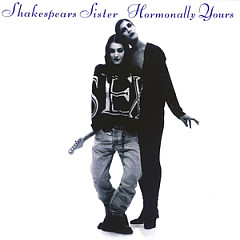
"Stay" by Shakespears Sister is based on a 1953 B-movie called Cat-Women Of The Moon.
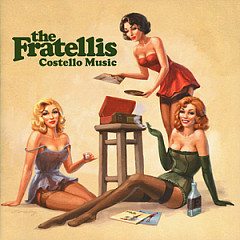
The Fratellis song "Chelsea Dagger" was named for their lead singer's wife - it was her burlesque name.

Demi Lovato recorded a Spanish version of her song "Skyscraper," but she doesn't speak Spanish. She performed it on a Latin music awards show with help from a teleprompter.
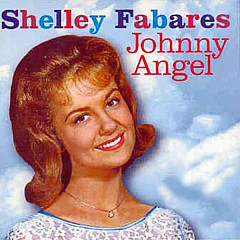
For songwriters, Johnny represents the American man. He has been angry, cool, magic, a rebel and, of course, marching home.
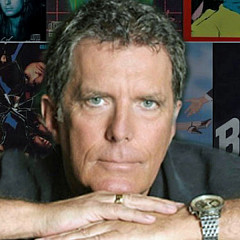
Ron Nevison explains in very clear terms the Quadrophenia concept and how Heart staged their resurgence after being dropped by their record company.
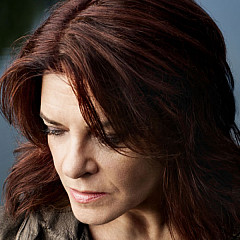
Rosanne talks about the journey that inspired her songs on her album The River & the Thread, including a stop at the Tallahatchie Bridge.
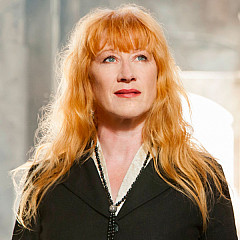
The Celtic music maker Loreena McKennitt on finding musical inspiration, the "New Age" label, and working on the movie Tinker Bell.
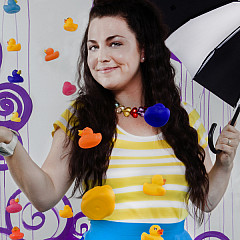
The Evanescence frontwoman on the songs that have shifted meaning and her foray into kids' music.