
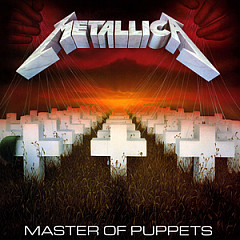
In Metallica's 1986 metal classic "Master Of Puppets," the "Master" represents drugs, controlling the user like a puppet. Lead singer James Hetfield wasn't an addict at the time, but 15 years later he needed rehab to treat his alcoholism.
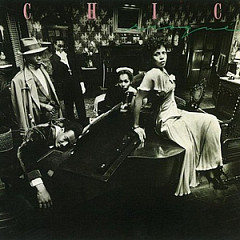
The disco song "Good Tmes" by Chic was a huge influence on early rap, providing the bassline for "Rapper's Delight."
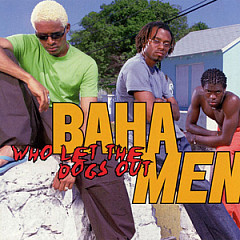
"Who Let The Dogs Out" won a Grammy. It took the award for Best Dance Recording in 2000.
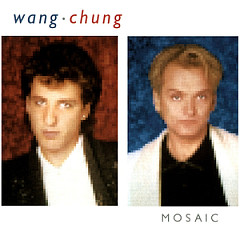
"Everybody Have Fun Tonight" is a rare hit with the band's name used as a verb: "Everybody Wang Chung tonight." The band says it can mean whatever you'd like it to.
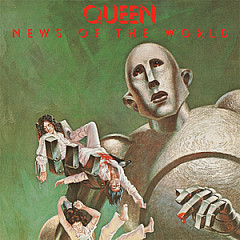
There are no actual drums on Queen's "We Will Rock You," just lots of foot stomping.
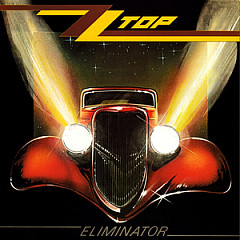
ZZ Top's "Sharp Dressed Man" was the first video that was a sequel. It picked up the storyline of their "Gimme All Your Lovin'" video about a guy who encounters three beautiful women.
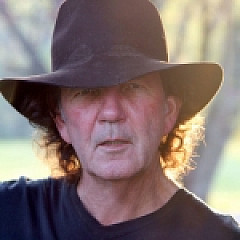
The writer of "Rainy Night in Georgia" and "Polk Salad Annie" explains how he cooks up his Louisiana swamp rock.
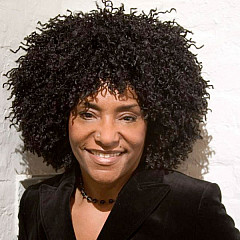
The lead singer on "Da Doo Ron Ron" and "Then He Kissed Me," La La explains how and why Phil Spector replaced The Crystals with Darlene Love on "He's A Rebel."
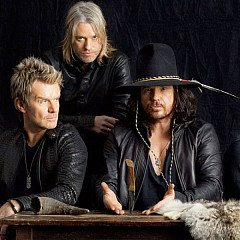
The Cult frontman tells who the "Fire Woman" is, and talks about performing with the new version of The Doors.
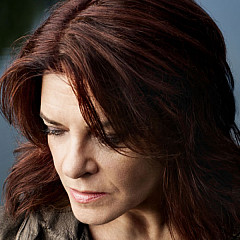
Rosanne talks about the journey that inspired her songs on her album The River & the Thread, including a stop at the Tallahatchie Bridge.
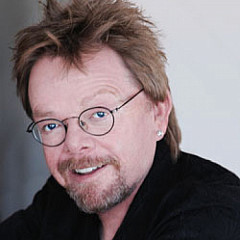
He's a singer and an actor, but as a songwriter Paul helped make Kermit a cultured frog, turned a bank commercial into a huge hit and made love both "exciting and new" and "soft as an easy chair."
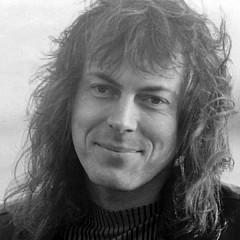
Dokken frontman Don Dokken explains what broke up the band at the height of their success in the late '80s, and talks about the botched surgery that paralyzed his right arm.